
 English




Why Tin-Coated FUE Punches Are the Premier Choice for Advanced Transplantation? Unveiling the Revolutionary Advantages of Tin Coating
Subtitle: Going beyond standard stainless steel, the tin coating delivers a smoother, safer, and more durable surgical experience.
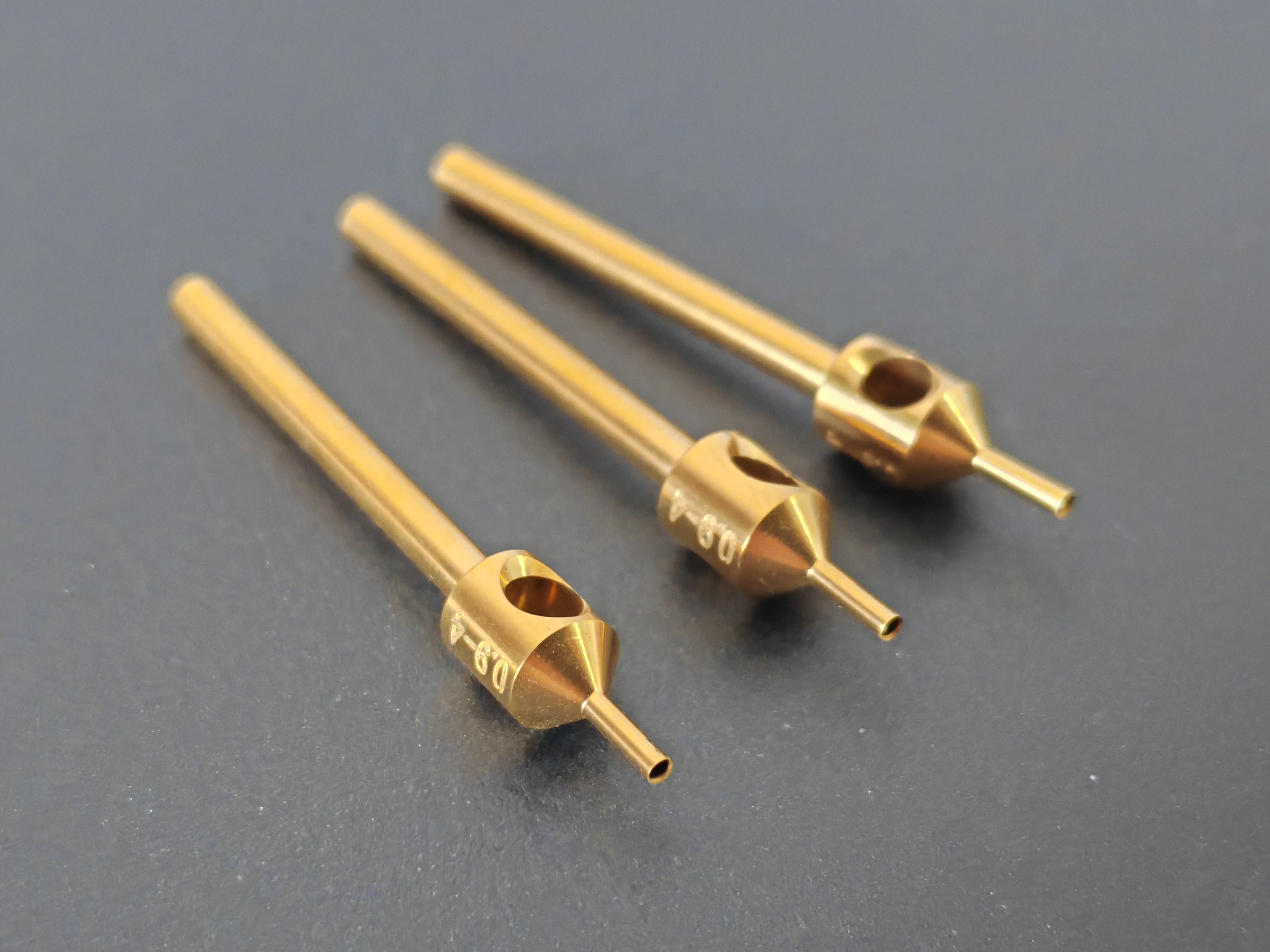
As hair transplantation technology advances, the demands surgeons place on their instruments have reached unprecedented levels. Beyond the quality of the base steel, the surface coating technology has become a critical factor determining the overall performance of an FUE punch. Among various coating options, the Tin Coating is gaining significant favor among top hair transplant surgeons due to its unique benefits. This article delves into how tin-coated FUE punches fundamentally enhance surgical outcomes.
Four Core Advantages of Tin-Coated FUE Punches
1. Superior Lubricity for Significantly Reduced Insertion Force
The tin coating itself has a very low coefficient of friction. As the tin-coated punch penetrates the skin, this ultra-smooth surface effectively reduces adhesion and friction between the punch and the epidermal/dermal tissues.
Key Benefit: Surgeons experience a noticeably lighter and smoother operation with reduced insertion force. This not only minimizes operator fatigue but, more importantly, decreases compression and trauma to the surrounding tissue, resulting in cleaner incisions and promoting faster postoperative healing.
2. Exceptional Corrosion Resistance for Long-Term Reliability
Although surgical-grade stainless steel is inherently rust-resistant, it can still be susceptible to corrosion over time due to repeated high-pressure sterilization and exposure to bodily fluids. The tin coating acts as a dense, inert protective barrier.
Key Benefit: Tin-coated punches robustly resist corrosion from sterilization and bodily fluids, preventing rust spots. This significantly extends the instrument's lifespan, which is particularly valuable for costly reusable punches, leading to lower long-term cost of ownership and a higher return on investment. It also eliminates any potential risk to patient safety from underlying corrosion.
3. Enhanced Wear Resistance to Maintain a Sharp Cutting Edge
The sharpness of an FUE punch is paramount. The continuous process of graft extraction gradually wears down the cutting edge. The tin coating serves as a durable surface armor, increasing the surface hardness and abrasion resistance of the punch.
Key Benefit: The tin coating helps the punch maintain its initial sharpness for a longer duration during prolonged procedures. A sharp edge remains effective for more grafts, reducing the frequency of mid-surgery punch changes due to blunting. This ensures consistent surgical efficiency and uniform graft extraction quality throughout the operation.
4. Excellent Biocompatibility and Safety
Tin is a non-toxic metal element with good biocompatibility. The coating completely isolates the base material (stainless steel) from human tissue.
Key Benefit: This provides an added layer of safety for patients with sensitivities to metal ions (e.g., nickel), entirely preventing potential allergic reactions. The smooth, non-porous tin surface is less likely to harbor biofilms and is easy to clean and sterilize, meeting the highest standards of medical hygiene.
Conclusion:
Choosing a tin-coated FUE punch is more than selecting a surface treatment; it is opting for a more efficient, safe, and economical surgical solution. By reducing insertion force, it optimizes the surgical experience and outcomes. By enhancing corrosion resistance, it safeguards patient safety and extends instrument life. Ultimately, tin-coated punches empower surgeons to achieve superior clinical results.